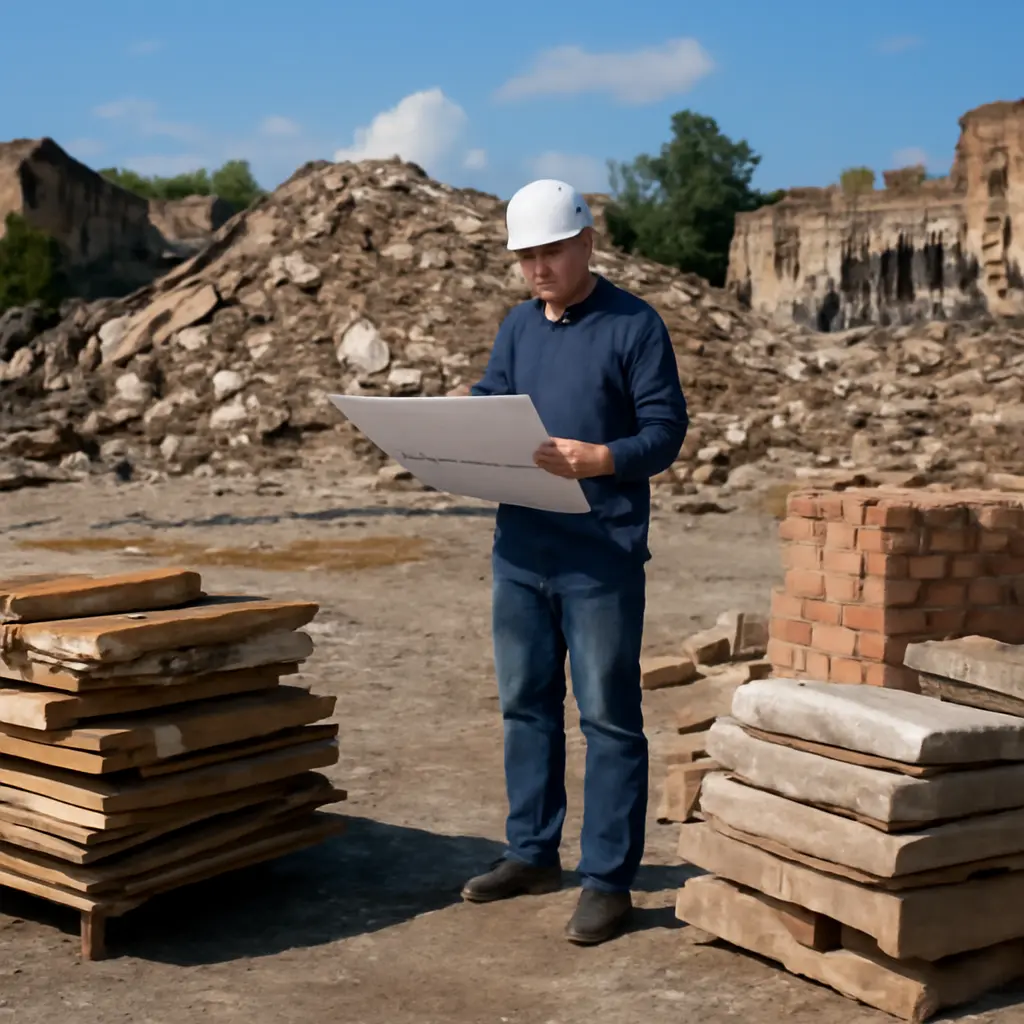
Demolition projects can remove buildings without turning construction season into a season of avoidable pollution. Demolition planning means identifying hazards, materials, and nearby environmental receptors before work begins, then using that information to control dust, noise, runoff, waste, and emissions. The U.S. Environmental Protection Agency (EPA) estimates that construction and demolition activities generated 600 million tons of debris in the United States in 2018—more than twice the amount of municipal solid waste that year. Careful surveys, selective removal, dust suppression, and responsible material management can reduce the harm while recovering useful resources.
Demolition planning reduces environmental damage through early assessment
Environmental demolition planning is the process of identifying potential impacts and setting controls before structures are taken apart. EPA guidance on construction and demolition materials emphasizes prevention, reuse, and recycling where feasible, rather than treating every removed material as waste. A plan should account for the building itself, the demolition method, site conditions, neighboring properties, and how materials will be transported and processed.
The main planning categories include pre-demolition surveys, hazardous-material controls, dust and noise management, stormwater protection, and waste diversion. These measures are connected: for example, removing hazardous materials before structural demolition can make later sorting safer, while sequencing work to salvage components can reduce the volume of debris sent to disposal.
Pre-demolition surveys identify hazards and recovery opportunities
A pre-demolition survey is a systematic inspection of a building and site to locate hazardous substances, reusable components, and materials that require special handling. Depending on the building’s age and history, surveys may examine asbestos-containing materials, lead-based paint, refrigerants, mercury-containing equipment, polychlorinated biphenyls (PCBs), and underground tanks. The survey also documents structural conditions and identifies materials suitable for salvage or recycling.
EPA regulations require asbestos inspections before demolition of many buildings, with notification and work practices governed by the National Emission Standards for Hazardous Air Pollutants. Lead rules also matter: EPA’s Renovation, Repair and Painting program applies to covered renovation work in pre-1978 housing and child-occupied facilities, while demolition projects may be subject to other federal, state, and local requirements. Because applicability depends on the project and jurisdiction, owners should use qualified professionals and confirm requirements with regulators before work starts.
Selective demolition preserves materials for reuse
Selective demolition, also called deconstruction when a building is carefully taken apart, removes components in a planned sequence so they can be reused or recycled. Doors, fixtures, timber, brick, metal, and certain architectural elements may have value if removed without excessive damage. This approach generally takes more planning and labor than conventional mechanical demolition, but it can reduce disposal and provide materials for resale or local reuse.
The scale of the opportunity is significant. EPA reported that the United States generated 600 million tons of construction and demolition debris in 2018; 455 million tons of that material were directed to next use, while 145 million tons were sent to landfills. EPA’s estimate includes soil and other materials, so it should not be read as a measure of building debris alone. Still, it demonstrates why inventories, sorting areas, and confirmed outlets for recovered materials belong in the project plan.
Demolition controls protect air, water, and nearby communities
Once the building and materials are assessed, environmental controls address the impacts created during the work itself. Dust can carry fine particles and contaminants beyond a site; noise and vibration can affect residents and sensitive structures; and rainfall can wash sediment or pollutants into drains and waterways. Effective controls depend on local conditions, weather, building materials, and demolition technique, so plans should be monitored and adjusted as work proceeds.
Dust suppression limits airborne particles
Dust suppression uses methods such as controlled water application, misting, covered loads, prompt debris removal, and barriers to reduce particles generated by breaking, crushing, and moving materials. Work practices should prevent contaminated dust from spreading, not merely make visible dust less noticeable. If asbestos or lead is present, specialized containment and legally required procedures take precedence over routine dust controls.
The World Health Organization identifies particulate matter as a major air-pollution concern because fine particles can enter deep into the lungs and, in some cases, the bloodstream. Demolition is only one potential source of exposure, but that health context makes boundary monitoring, complaints procedures, and clear communication with neighbors useful safeguards—particularly near homes, schools, clinics, or busy streets.
Stormwater and runoff controls keep pollutants out of waterways
Stormwater management prevents rain and site wash water from carrying sediment, debris, or pollutants into storm drains and surface waters. Typical controls include stabilizing exposed soil, protecting drain inlets, separating clean water from work areas, maintaining containment, and inspecting the site after storms. The appropriate measures depend on soil, slope, drainage, and local permit conditions.
In the United States, construction activity that disturbs one acre or more—or is part of a larger common development plan that will disturb at least one acre—generally requires coverage under an EPA or state National Pollutant Discharge Elimination System construction stormwater permit. The permit framework requires erosion and sediment controls and a site-specific stormwater pollution prevention plan. Even smaller demolition sites can benefit from similar precautions when runoff could reach drains or waterways.
Noise, vibration, and equipment emissions need active management
Noise and vibration controls reduce disruption and help protect nearby people and structures. Scheduling loud work during permitted hours, maintaining equipment, selecting lower-impact methods where practical, and notifying neighbors in advance can reduce conflict. Vibration-sensitive buildings, utilities, and historic structures may require baseline surveys and monitoring established by qualified specialists.
Diesel equipment and truck movements can also contribute to local emissions. Idling limits, efficient routing, well-maintained machinery, and minimizing unnecessary trips are practical steps. Project teams should consider the full sequence of work: a method that finishes quickly may still create more dust, noise, or truck traffic than a slower, carefully staged approach.
Demolition waste management turns planning into measurable results
Waste management translates environmental goals into decisions about sorting, transport, reuse, recycling, and disposal. A useful plan identifies expected material streams, approved receiving facilities, documentation requirements, and a way to track quantities. Setting targets before demolition begins makes it easier to measure performance and address problems such as contamination or a recycler’s refusal of mixed loads.
Material sorting supports recycling and safe disposal
Sorting separates materials into appropriate streams—for example, metals, clean wood, concrete, masonry, gypsum, and regulated hazardous waste. Keeping streams separate can improve recycling options and reduce the risk that one hazardous or contaminated item will compromise an otherwise recoverable load. Reuse should be considered before recycling, and recycling before disposal where technically and legally appropriate.
The EPA’s 2018 construction and demolition debris estimate illustrates why tracking matters: of the 600 million tons generated, 145 million tons went to landfills and 455 million tons were directed to next use. “Next use” includes several pathways and is not synonymous with closed-loop recycling, so project reports should state exactly what was reused, recycled, or otherwise recovered rather than presenting a single diversion figure without explanation.
Local reuse and documented destinations improve accountability
Local reuse can lower transport needs and keep serviceable materials in circulation, while documented destinations help verify that materials reached the intended facility. Before work begins, contractors can confirm acceptance criteria, opening hours, contamination limits, and required paperwork with salvage organizations, recyclers, and disposal sites.
A practical example is a renovation or teardown where usable fixtures and timber are removed first, metals and clean masonry are separated during structural work, and regulated materials are handled through qualified contractors. The sequence reduces cross-contamination and makes the final waste report more credible. Results will vary by building condition, local markets, labor availability, and the facilities serving the area.
A demolition checklist makes environmental safeguards actionable
A written checklist helps owners, designers, contractors, and regulators coordinate responsibilities rather than relying on assumptions. It should be tailored to the site and applicable rules, with a named person responsible for inspections, records, and corrective action.
- Complete building, hazardous-material, and structural surveys before selecting the demolition method.
- Confirm permits, notifications, utility disconnections, and receiving facilities with the relevant authorities and operators.
- Set a sequence for hazardous-material removal, salvage, structural demolition, and debris sorting.
- Specify dust, noise, vibration, and stormwater controls, including inspection frequency and response procedures.
- Track material quantities and destinations with load tickets, receipts, or equivalent documentation.
- Communicate schedules, expected impacts, and a contact for concerns to neighbors and site users.
Conclusion: planned demolition can reduce avoidable environmental harm
Demolition planning starts with surveys and selective removal, then protects air and water through dust, runoff, noise, and emissions controls. Waste tracking and verified recovery destinations show whether the plan worked. With 600 million tons of U.S. construction and demolition debris generated in 2018, the scale of the material stream makes early decisions consequential—but outcomes depend on local conditions and careful execution.
Before a demolition project begins, owners should commission appropriate surveys, confirm regulatory obligations, and require a site-specific environmental and materials plan. Consult local environmental agencies and qualified specialists for project-specific requirements, and use documented results to improve the next project.
Sources: U.S. Environmental Protection Agency, Sustainable Management of Construction and Demolition Materials, https://www.epa.gov/smm/sustainable-management-construction-and-demolition-materials; U.S. Environmental Protection Agency, Construction and Demolition Debris: Material-Specific Data, https://www.epa.gov/facts-and-figures-about-materials-waste-and-recycling/construction-and-demolition-debris-material; U.S. Environmental Protection Agency, Asbestos National Emission Standards for Hazardous Air Pollutants (NESHAP), https://www.epa.gov/asbestos/asbestos-national-emission-standards-hazardous-air-pollutants-neshap; U.S. Environmental Protection Agency, Lead Renovation, Repair and Painting Program, https://www.epa.gov/lead/lead-renovation-repair-and-painting-program; U.S. Environmental Protection Agency, Construction Activities Stormwater Permits, https://www.epa.gov/npdes/stormwater-discharges-construction-activities; World Health Organization, WHO Global Air Quality Guidelines, https://www.who.int/publications/i/item/9789240034228